T-Mobile & Southwest Wi-Fi Deal Sparks Hacker Fears
Who doesn’t love free Wi-Fi zones in the sky? Especially when embarking on a long flight, or if you’re a cyber hacker.
That’s right. The rise of In-flight complimentary Wi-Fi has got hackers excited as they can utilise outdated tactics to export data from those wishing to make use of Wi-Fi zones.
Matas Čenys, Head of Product at Travel eSIM app Saily says: “In-flight Wi-Fi used to occasionally be a target for cyberattacks, but with the service now becoming complementary, security incidents will become more frequent. Hackers use old tactics in an environment where travellers expect to be safe. So, their old tricks work again, even when they wouldn’t elsewhere.”
Free Wi-Fi is the perfect breeding ground for Hackers
While the complimentary service is great news for flyers, as Matas warns, there are some new in-flight risks posed by the introduction of free Wi-Fi, with hackers taking to the skies.
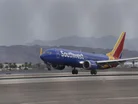
Southwest Airlines is next in a (medium) line of US airlines to announce free Wi-Fi on all its planes. The move follows its partnership with T-Mobile.
Currently, six of the largest US airlines are incorporating free in-flight Wi-Fi to passengers, with European airlines following the trend and offering passengers Wi-Fi to enhance their flying experience or occupy their boredom on lengthy flights.
But how do the hackers launch the cybersecurity attacks in one of the safest environments?
Like all hackers, they utilise the trusting nature of humankind. The in-flight cyberattack is known as an ‘evil twin attack,’ and the hacker is seemingly an ordinary passenger who is off on their travels.
They connect to the Wi-Fi provided by the airline, switching on a hotspot feature already on their phone, tablet or compact travel router and rename their hotspot as the official airline name.
The hackers will eagerly wait for passengers to connect to the fake network and after some technical hacking they are able to access all unencrypted traffic coming from the devices which choose to connect.
Once the hackers have access, they are able to do many things such as steal session cookies which enable the hackers to log into accounts without password knowledge and prompt passengers to enter personal information or pay a fee using fake login screens.

Matas asserts that: “Hackers can also spread malware through the connection, for example, by offering a ‘required’ app or plugin to access the Wi-Fi. The same trick can be used via AirDrop. If your device notifies you that you’re receiving some file from an unknown person, tread carefully — even if it looks like an innocent photo of their dog you’ve seen in countless social media posts.
“If connected to a malicious network, the internet will be extra slow. Airplane passengers might expect a small drop in internet speed while flying, but a super slow connection could be a red flag.”
Anti-hacker top tips
Despite the new risks, passengers shouldn’t fear too much as there are a few measures they can take to ensure they don’t find themselves scammed amidst the increase number of airlines introducing free Wi-Fi:
- Ask the airplane crew which Wi-Fi is the official one
- Choose HTTPS only sites, looking for the padlock next to the URL
- Consider using a VPN while on public networks, leaving tasks with sensitive information to data or your own trusted Wi-Fi
- Treat your personal information with care
- Disable file sharing, AirDrop and network discovery while on public networks
Be vigilant in the skies, don’t let those hackers get you while enjoying the free Wi-Fi.