EE: Connecting Not-Spots For Rural Communities in Scotland
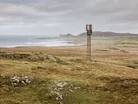
EE is breaking new ground to connect communities on Islay, where for some areas mobile signal has never been seen from any operator.
Through the Shared Rural Network, a UK-wide programme designed to improve coverage by enabling operators to share infrastructure, EE is leading the deployment of a new mobile mast on the west of the island.
The site targets one of Scotland’s most persistent total not-spots, bringing connectivity for the first time to parts of Kilchoman, Machrie, Rockside and surrounding rural locations.
The rollout introduces 4G coverage across 14 kilometres of paths and roads, including sections of the B8018 and B8017. It also connects key destinations such as Loch Gorm, Machir Bay Beach and the RSPB Loch Gruinart nature reserve, supporting both residents and visitors across the island.

Mobile masts reach total not-spots
The Shared Rural Network focuses on areas where no mobile operator has previously provided coverage, known as total not-spots. These locations present ongoing challenges for communication, particularly in remote regions such as Islay.
With all UK mobile operators now live on a single mast, the deployment ensures consistent access to the community regardless of provider. This improves resilience for emergency calls while reducing the need for additional build.
The new site supports access to digital services including healthcare and banking, while improving safety for those travelling or working in isolated areas. It also strengthens communication for maritime activity, including seafarers and fishermen operating near the island.
Such an impactful project can teach telecoms operators how shared infrastructure enables wider coverage without duplicating investment, particularly in areas where traditional rollout models struggle to deliver.
Engineering delivery at the network edge
Delivering mobile infrastructure in a remote island environment requires careful planning and coordination. Nora Kileen, Deployment Delivery Manager at BT, which owns EE, describes the process behind the rollout.
“Islay is one of Scotland’s most unique places, and it certainly presented us with some unique challenges when it came to making this new mast a reality," says Nora.
“We submitted our planning application back in late 2023 and whether it was the raging storms and strong winds in winter, securing the necessary wayleaves for a power supply, or navigating the transport of an entire tower, crane and crew of engineers to Islay via ferry, there have been multiple obstacles to overcome.

“We have always been extremely conscious of respecting the wildlife and ancient ruins dotted across the island too, so spent time carrying out important ecological and archaeological surveys.
“We even paused the build last summer to allow red-billed choughs – a critically endangered bird species on Islay – the space they needed as part of their nesting season.
“But with the support of our partners at Openreach, Mova and WHP Telecoms, and even more importantly, our ongoing collaboration with the local community and organisations like NatureScot, we’ve been able to make history and finally deliver mobile coverage to this part of Islay for the very first time.”
Connectivity supports local business and tourism
Research indicates that a single EE mast can contribute between £740,000 (US$989,000) and £1,054,000 (US$1,400,000) to rural communities in Scotland over its lifetime.
Kilchoman Distillery is one of many local businesses already seeing changes. Islay Heads, General Manager at the distillery, says: “I think people on the mainland take reliable 4G connectivity for granted, but we certainly don’t.
“From a business perspective, our visitors are now able to post reviews and photos before they leave the site, something guests often forgot to do before, as they had to wait until they had a mobile signal.
“It makes our ability to communicate with suppliers and team members much quicker as well. In modern business, these sorts of efficiencies are important to our overall success as a local enterprise and international brand.”
For visitors, the presence of reliable mobile signal allows real-time sharing and communication, while for businesses it opens up new ways to engage customers and manage operations.
The project forms part of wider progress under the Shared Rural Network, extending mobile coverage into areas that have remained disconnected and bringing first-time service to communities across the UK.