Extreme Networks: Bringing Sustainability into Network Core

Extreme Networks has become the first networking vendor to achieve EPEAT registry status for its switches and access points.
It is a move that signals growing pressure on telecoms operators and infrastructure providers to align network investments with sustainability mandates.
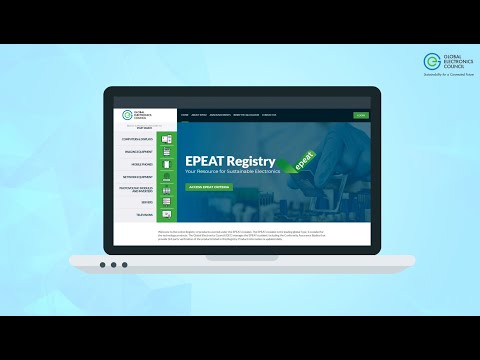
EPEAT, which stands for Electronic Product Environmental Assessment Tool, is a global ecolabel that rates how environmentally responsible technology products are.
It is awarded by the Global Electronics Council and positions Extreme’s hardware under globally recognised certification.
As telco providers operate under tightening environmental, social and governance requirements, the development adds a new dimension to procurement decisions traditionally dominated by performance and cost.
Sustainability pressures reshape telco procurement
As ESG regulations are expand across regions, telecoms operators are increasingly required to demonstrate measurable reductions in carbon emissions and environmental impact.
Network infrastructure, from core switching to edge connectivity, is a significant contributor to energy consumption and lifecycle emissions.
EPEAT certification addresses this by assessing criteria including climate impact, resource efficiency, chemical use and supply chain responsibility.
This is particularly relevant for telecoms firms working with public sector clients or operating in regulated markets, where procurement frameworks are evolving to prioritise environmentally responsible technology.
Industry recognition for network infrastructure shift
Bob Mitchell, Chief Executive Officer at Global Electronics Council, says: “Extreme’s work to bring networking equipment to the EPEAT registry marks an important step in expanding more sustainable choices for enterprise IT.
"Since these technologies underpin modern digital infrastructure, improving their environmental impact is essential.
"We look forward to collaborating with Extreme to help accelerate climate-focused innovation in enterprise networking.”
The inclusion of switching and wireless infrastructure in EPEAT marks a notable shift for telco networks, which play a significant part in digital services from 5G to cloud connectivity.
Historically, sustainability certifications have focused more heavily on end-user devices rather than core network components.
However, the industry is now beginning to address emissions embedded deeper within digital infrastructure stacks by extending ecolabel coverage into networking hardware.
AI-powered platforms meet efficiency goals
Extreme’s first EPEAT-registered products include its 5420 Series universal switches and AP4020 Wi-Fi 7 access points.
These are both managed through Extreme Platform ONE, an AI-driven networking platform designed to automate operations and reduce manual workloads.
Automation is increasingly tied to sustainability outcomes for telco operators.
AI-enabled network management can optimise energy usage, streamline provisioning and reduce the operational overhead associated with maintaining complex, distributed networks.
This convergence of automation and sustainability reflects a broader industry trend, where efficiency gains are no longer purely operational but also environmental.
Balancing performance with responsibility
Katy Motiey, Chief Legal, Administrative & Sustainability Officer at Extreme Networks, says: “Customers shouldn’t have to trade performance for responsibility.
“With the first and only enterprise networking solutions that are EPEAT-registered, Extreme is setting a new standard for the industry, making progress toward our goals for corporate responsibility while helping our customers move toward more sustainable IT operations.
“We’re proud to be the first networking vendor recognised on the EPEAT registry.”

Expanding the sustainable networking portfolio
Extreme has indicated plans to extend EPEAT registration across more of its hardware portfolio, including products scheduled for release in 2026.
For telco operators planning long-term infrastructure investments, this signals a growing availability of certified options across different layers of the network.
As sustainability becomes embedded in procurement frameworks, the presence of recognised ecolabels in networking hardware may shift expectations across the vendor landscape.
Competitors are likely to face increased pressure to demonstrate similar credentials as operators seek to align infrastructure strategies with ESG commitments.
The development highlights how sustainability is moving from a peripheral consideration to a central factor in telecoms network design and deployment, by shaping technology choices and operational priorities.
Company portals


Executives
Bob Mitchell
Chief Executive Officer
Katy Motiey
Member Board of Visitors