How Google Lens & GS1 Are Making Healthcare Accessible
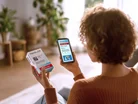
Most people rarely notice the small codes printed on medicine packs.
Through a new collaboration with GS1, the global organisation behind the barcode standard, Google Lens users can now scan GS1 DataMatrix codes on millions of existing medicine packs to instantly retrieve trusted, verified information.
The integration marks a leap in digital connectivity for healthcare, giving patients a simple, secure way to understand the medicines they take, while improving transparency across the pharmaceutical supply chain and supporting safer, more sustainable practices.
“The ability to scan a GS1 DataMatrix directly with a smartphone camera is a breakthrough for global healthcare systems,” said Glen Hodgson, Vice President, Healthcare at GS1.
“It means the same trusted standards that underpin medicine identification and traceability will deliver trusted information directly into the hands of those who need it most.”
Connecting physical products to digital data
When paired with Google Lens, the GS1 DataMatrix bridges the physical and digital worlds, linking medicine packaging to essential online health data. Patients, caregivers and medical professionals can instantly view details such as batch numbers, expiry dates and electronic patient leaflets (ePILs) simply by scanning codes with their smartphones.
This step empowers individuals to make safer, more informed choices while improving visibility and compliance across more than 70 countries where GS1 standards are already mandatory.
Enhancing patient safety and reliability
The integration serves as a major boost to patient safety:
-
Real-time access to accurate product details helps prevent medication errors.
-
Electronic leaflets can be dynamically updated with new safety information.
-
Scanning simplifies product verification and enables faster, targeted recalls when needed.

By giving both healthcare workers and patients access to authenticated, up-to-date data, the initiative strengthens trust and efficiency in both clinical and home care settings. GS1 is partnering with pharmaceutical manufacturers to ensure global availability of digital product information, marking a pivotal step toward fully connected healthcare systems.
Driving sustainability through digital adoption
Replacing printed medication leaflets with digital versions isn’t just efficient—it’s greener. In the United States alone, printed leaflets account for the loss of approximately 12 million trees every year and generate greenhouse gas emissions equivalent to 800,000 cars.
Research shows that electronic patient information has 89–98% less environmental impact than traditional paper leaflets, significantly reducing resource consumption and carbon output.
Pharmaceutical companies are being urged to accelerate their shift toward ePILs to align with sustainability goals and reduce their environmental footprint.
Building the foundation for interoperable healthcare
The GS1–Google partnership represents more than just a technology upgrade—it exemplifies a shared commitment to global standards and interoperability. By embedding access to trusted product data within smartphone-native tools, the initiative creates a universally accessible ecosystem for verified healthcare information.
Its success will depend on widespread adoption from industry stakeholders, but the framework already sets the stage for future healthcare innovations that connect physical products with digital intelligence.
“This collaboration between GS1 and Google is a major step forward in connecting the physical and digital worlds of healthcare,” said Renaud de Barbuat, President and CEO of GS1.
“By enabling smartphone-native access to trusted medicine data, we’re advancing global healthcare transparency and giving patients and professionals the information they need to act with greater confidence.”

Executives
Glen Hodgson
Vice President Healthcare

Renaud de Barbuat
President & CEO