
Ecosia: Using Telecom Tech to Plant Trees and Cut Emissions
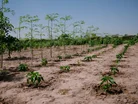
Ecosia, a Germany-based search engine, creatively engages telecommunications to further its global goal of planting trees and combating climate change.
The company channels advertising revenue into reforestation, highlighting the symbiosis between digital platforms and ecological sustainability.
As of now, Ecosia has more than 20 million users, leveraging telecommunications infrastructure to broaden its impact.

It aligns with four key sustainability objectives:
- To position Ecosia as the largest tree-planting movement through telecom-enabled reach.
- Ensuring transparency by showcasing monthly earnings against environmental expenditures.
- Implementing renewable energy to lower telecom emissions and power its operations.
- Reinvesting profits into global telecommunication networks to facilitate broader climate actions.
In line with its mission, Ecosia has unveiled its 2024 regeneration report, which highlights its sustainable impact through innovative use of network technologies.
Climate action through telecommunications
Reinvestment in telecommunications for climate action remains a cornerstone of Ecosia's strategy.
“At Ecosia, we’re investing in the kind of climate resilience that protects both people and the planet," says Christian Kroll, CEO at Ecosia.
“That includes regenerative agriculture and building alternatives to the extractive systems that brought us here. We can’t greenwash our way out of this. We need real, systemic change.”
Moreover, Ecosia accelerates clean energy transitions via telecommunications by overproducing renewable energy – twice the requirement for their search functionalities.
This feat is achieved through a variety of telecom-influenced platforms, including solar initiatives like solar parks and integrated commercial rooftop systems, essential for decentralised energy distribution through telecommunications networks.

Reforestation tactics enhanced by digital tools
In 2024, Ecosia planted more than 18 million trees within vital biodiversity hotspots.
In countries like Togo, Vietnam and the Netherlands, digital connectivity allowed the movement and protection of over 1600 species.
Meanwhile, in Madagascar, telecommunications have aided in pioneering new planting techniques, namely foxholes, contributing to land restoration.
Despite generating 102 tonnes of carbon emissions from its Berlin headquarters, telecommunication systems offset extensive impacts by minimising travel needs through digital collaborations and virtual meetings.
Empowering users via telecommunications
Through telecommunications, Ecosia empowers users to actively reduce emissions.

The Ecosia browser autonomously generates clean energy during user activity.
Every search contributes to generating 25Wh of renewable energy, effectively doubling the energy needs. This approach also accelerates network sustainability, featuring eco-friendly partner shops.
Furthermore, the integrated ad blocker reduces data consumption, enhancing connection efficiency and lowering telecommunication carbon footprints.
Christian says on Linkedin: “Ecosia just committed US$11,600 to plant fire-resistant trees in one of southern France’s most threatened areas creating a strategic firebreak with our local partner, Replanter Notre Forêt Provençale.
“These trees are chosen for a reason: they slow fires, shield homes and restore biodiversity adapted to a hotter, drier world.
“All funded by something as simple as a web search. This is the kind of climate action we need more of: Local, fast, and powered by people.”