Inside BT’s 61% Emissions Cut and US$8.6bn Green Growth
BT has long tied its environmental agenda to how it builds and runs its networks, having tracked carbon since 1992.
In 2025 it set out its Climate Transition Plan to cut emissions and manage climate risks, and it has now published FY26 results detailing progress.

Reaping benefits from the journey towards net zero
BT is targeting net zero operations by the end of March 2031 and net zero across its value chain by the end of March 2041, with targets validated by the Science Based Targets initiative (SBTi). Since 2017, the group has cut operational emissions by 61% and reduced supply chain emissions by 33%.
Sustainability is driving commercial outcomes for the group. Carbon-saving products generated £6.5bn (US$8.6bn) in FY26 revenue. Since 2021 BT’s networks and products have helped customers avoid more than 10m tonnes of carbon.
In FY26 BT’s global energy use dropped by about 226GWh, a 9% fall year on year, driven by efficiency gains across its estate and network footprint. The operator has grown its renewable supply through long-term Power Purchase Agreements, which met 34% of its UK electricity demand in FY26, and BT continues to assess options to generate power directly.
BT is also decarbonising its field operations. The group is transitioning its fleet to electric vehicles, which is curbing local air pollutants and emissions. It now runs 7,900 EVs, equal to 29% of its total fleet.
A group effort
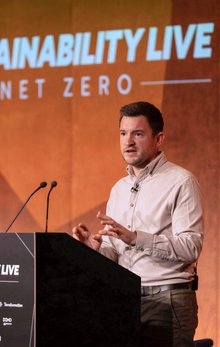
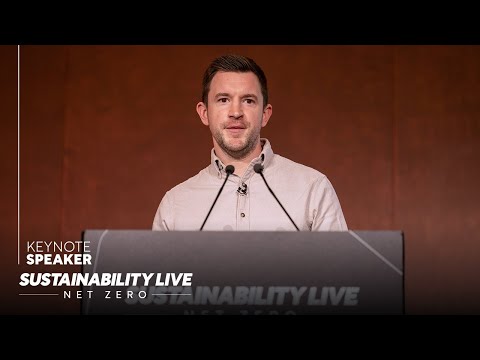
“Proud to update on the progress BT Group has made during FY26 towards becoming a net zero and circular business, supporting resilience for the nation,” says Matt Manning, Head of Sustainability at BT Group, while commenting on the company’s results on LinkedIn.
“Credit to all the teams across the business who helped deliver this progress and my team for crunching the numbers.
“Being a sustainable and responsible business is more than just ‘being good’. It makes commercial sense, it reduces risks, it builds resilience and it future-proofs the business.”
Extending the life of customer kit
BT is moving towards a circular business model by 2030 and a circular tech and telco ecosystem by 2040.
It encourages customers to return equipment, offering a free router returns service. In FY26 it collected nearly 136,000 mobile devices through trade-in, with 91% going to reuse and a second life. Its EE repair service fixed nearly 53,000 devices in the same financial year.
The Group is also making product design choices to reduce its environmental impact. The casing of its latest Smart Hub 3.5 uses 95% recycled plastic and the company’s packaging is plastic-free and fully recyclable.
Building biodiversity into fibre rollout and sites
BT has integrated nature conservation into operations and public sector contracts to reduce its environmental footprint. It works with The Wildlife Trust on restoration projects backed by targeted funding and employee volunteering.
Openreach has partnered with the Royal Society for the Protection of Birds to protect wildlife during full fibre build activity.
Under this programme engineers use volunteering hours to deploy nesting structures, enabling 87 nest boxes to be installed on local properties for red-listed species including pipistrelle bats, house martins, swifts and sparrows.
Across its estate, the company has also planted multiple wildflower meadows to support local ecosystems.
Company portals

Executives
Matt Manning
Head of Sustainability