MWC 2026: Orange & Huawei Drive Africa’s Digital Growth
As Africa’s digital landscape continues to evolve, connecting remote communities remains one of the continent’s greatest challenges – and opportunities.
With 18 markets and more than 179 million subscribers, Orange Middle East & Africa (OMEA) sits at the forefront of that transformation.
Through an ambitious rural connectivity programme powered by renewable energy and AI, Orange and Huawei are rewriting the rules of what’s possible for sustainable network expansion.
Providing connectivity at scale
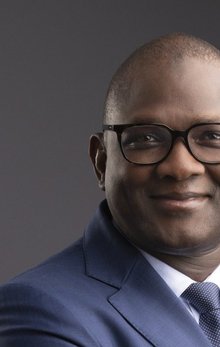
For Ben Cheick Haidara, Deputy CEO of Orange and CEO of Orange Middle East & Africa, bridging the digital divide goes beyond coverage metrics – it’s about practical innovation in the face of complex realities.
“The main challenge in rural areas, first of all, is the coverage,” he explains. “This is a key challenge. Device affordability is another, along with electricity. Energy is a great challenge in rural areas, too.
“We’re trialling a lot of solutions to overcome this. One of them is the HEHA solar solution, which we’re working on with Huawei.”
The trial was run in Côte d'Ivoire, West Africa, with its value and ability to solve challenges already clear.
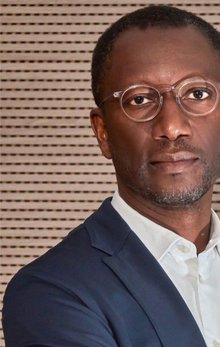
Mamadou Coulibaly, Deputy CEO and COO of Orange Côte d'Ivoire, describes how the partnership with Huawei has transformed the operator’s rural network performance.
“With Huawei, we’ve rolled out almost 1,200 sites in rural locations,” he says.
“Power consumption is our biggest obstacle – keeping these sites live is a constant challenge.
“This solution has reduced downtime by 45%, which is huge.”
The HEHA – an acronym for Huawei Enhanced Hybrid power Architecture – solar solution intelligently manages energy in off-grid areas using AI.
It’s a drastic leap forward from traditional power systems that rely solely on diesel generators or static solar installations.
Where AI meets energy management
From Huawei’s perspective, the collaboration is a blueprint for how digital intelligence can reshape infrastructure across emerging markets.
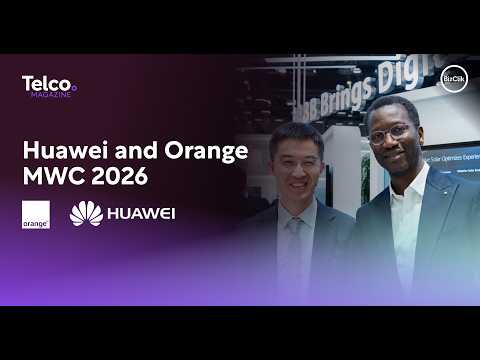
He Yunru, from Huawei’s Wireless Product Line, outlines the technical backbone of the innovation.
“We always put customer requirements first,” he explains, “so we can support strategy with technical innovation.”
He adds: “Working with Orange in Africa, we outlined the top challenges. From here, we provide and operate a reliable network to give the best service.
“We designed our AI-first solar solution after deeply analysing Orange’s network challenges — particularly irregular energy supply and long downtime periods.
“By combining traffic prediction with weather forecasting, we can manage power dynamically. The system predicts demand and optimises energy distribution in real time, implementing smart shutdown strategies that maximise uptime.”
And the results speak for themselves: downtime has reduced by 55% and more than half of traffic is maintained during peak stress periods.
But the vision doesn’t stop there.
Huawei plans to bring its intelligent energy management to passive telecom sites, turning them into what Yunru calls “active, sensible, manageable, and controllable” assets that further improve energy and operational efficiency.
AI as the engine of transformation
Ben views AI as central to OMEA’s future – not just in energy systems, but across every layer of the business.
“We’ll be using AI across our network — from zero-touch operations to customer experience,” he notes.
“From customer value management and next best action tools, there are a lot of use cases where our customers will feel the benefit.”
Together, Orange and Huawei are creating a model for how intelligent, sustainable infrastructure can unlock Africa’s digital potential.
It’s a story of technology meeting purpose – and a reminder that innovation shines brightest where connectivity is needed most.

Executives
Ben Cheick Haidara
Deputy CEO and Chief Operating Officer at Orange Middle East & Africa
Mamadou Coulibaly
Deputy Chief Executive Officer and Chief Operating Officer at Orange Côte d’Ivoire