UK Mobile Networks Unite Against Scam Calls in New Charter

A new agreement signed at the BT Tower brings together Britain’s largest mobile networks, including BT, EE, VodafoneThree and Virgin Media O2, to tackle fraudulent calls that impersonate trusted organisations.
The pact, part of the updated Telecoms Charter, commits networks to upgrade their systems within the next year to prevent foreign call centres from spoofing UK numbers.
The upgrade will ensure calls originating abroad no longer appear local, exposing scammers’ attempts to deceive the public.
Lord Hanson, UK Minister for Fraud, says: “In a major upgrade of our mobile network, call spoofing will be eliminated within a year – stripping away the tools scammers use to cheat people out of their hard-earned cash.”
He highlights the government’s commitment to making the UK a more difficult environment for scam operations.
The initiative responds to data indicating that 96% of mobile users decide whether to answer calls based on the displayed number, with most refusing calls from unknown international numbers.
By blocking spoofed numbers, networks aim to reduce the incidence of scam calls reaching customers.
Artificial intelligence and call tracing in VodafoneThree and Virgin Media O2 Efforts
VodafoneThree and Virgin Media O2 have detailed their current measures and plans.
Rachel Andrews, Corporate Security and Fraud Director at VodafoneThree, says: “VodafoneThree blocks millions of scam texts and fraudulent calls for their customers every day.
“The second Telecommunications Fraud Charter will take this even further, strengthening how we work across the industry and with the government to stay one step ahead of criminals.”
Virgin Media O2’s Director of Fraud Prevention, Murray Mackenzie, highlights the scale of their efforts: “We’ve blocked more than 1 billion scam texts from reaching our customers and are using AI to flag 50 million scam calls every month.”
He stresses that industry-wide collaboration is essential to disrupting organised fraudsters and asks the government to match this commitment with law enforcement resources.
The agreement further introduces advanced call tracing technology that mobile networks will deploy to enable police to track and dismantle scam operations.
The telecom sector will increase data sharing with law enforcement to improve detection and enforcement capabilities.
Consumer support and industry collaboration under the Telecoms Charter
The Telecoms Charter, now in its second iteration, incorporates commitments from multiple network providers, including Tesco Mobile, TalkTalk, Sky and the Comms Council UK (CCUK).
Signatories pledge to reduce the time it takes to help fraud victims to two weeks, offering quicker specialist support.
Brian Webb, Chair of the Communications Crime Strategy Group and Chief Security Officer at BT EE, expresses the industry’s stance: “The telecoms sector will make the UK a harder target for fraudsters and a safer place for the public.”
He notes the Charter’s objectives, including expanding data sharing, enhancing call security and supporting victims promptly.

Claire Gillies, CEO of BT’s Consumer Division, adds: “In 2025, we’re blocking three million scams a day across our network and continuing to innovate at pace to protect our customers.”
Tracey Wright, Chair of Comms Council UK, continues: “The Charter sets a clear path for the telecoms sector to lead by example and we look forward to working alongside our partners to deliver on its commitments and create a future where fraudsters find it harder to succeed.”
The Charter aligns with the government’s wider Plan for Change and upcoming Fraud Strategy, which aims to unite industry efforts, disrupt criminal networks and better protect consumers.
Together, the signatories aim to enhance their defences against evolving scam tactics.
Lord Hanson concludes: “We’re stepping up our defences to protect victims and make sure the UK is the hardest place in the world for scammers to operate.”
Company portals





Executives
Brian Webb
Claire Gillies
Chief Executive Officer-Consumer

Murray Mackenzie
Director of Transformation
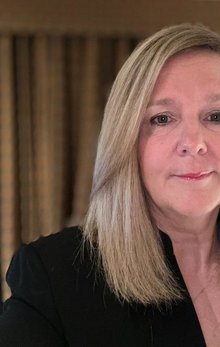
Rachel Andrews
Corporate Security and Fraud Director