
How Verizon's 5G Flood Sensors Kept Chicago Safe
When natural disasters occur, time is the most valuable commodity for emergency response teams. With severe weather events becoming increasingly frequent, telecommunications innovation is reshaping how cities prepare and respond.
In early 2025, Verizon took a significant step in this area by deploying approximately 50 floodwater sensors across Chicago, strategically positioned in the city's most vulnerable zones.

The initiative marks Chicago as the second US city to adopt the telco giant's flood monitoring technology, following a successful pilot in New Orleans.
The move highlights how advanced connectivity and data-driven insights can offer authorities crucial minutes and even hours to act before a disaster escalates.
Technology at the forefront of flood preparedness
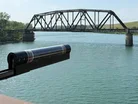
Developed by Michigan-based start-up Hyfi, the sensors operate on Verizon's 5G network and supply real-time water-level data to city managers and emergency response teams. By providing continuous updates, the technology enables more proactive decision-making during extreme weather events.
"Flooding has been in the headlines more than ever and the impact can be devastating," states Donna Epps, Chief Responsible Business Officer at Verizon.
Her comments reflect the rising urgency for municipalities to leverage digital infrastructure in tackling climate-related challenges.
The New Orleans trial proved particularly impactful, offering actionable intelligence during Hurricane Francine. Although Chicago does not face hurricanes to the same extent, the city's outdated drainage systems and limited natural water absorption areas make it highly vulnerable to flash flooding.
Addressing Chicago's growing flooding problem
Chicago's ageing combined sewer systems regularly overflow during intense rainfall, leading to basement back-ups and widespread street flooding. The infrastructure shortfall not only damages property but places public health and safety at risk.
Hyfi's technology integrates solar-powered, wireless sensors with a web-based platform that visualises real-time flood conditions.
The system removes the need for manual calibration, which can be both time-consuming and hazardous during severe weather.
"Chicago is leading the way in using data to tackle urban flooding head-on," comments Brandon Wong, CEO of Hyfi, highlighting how data and connectivity can redefine urban resilience strategies for major cities.
Community engagement and education
The deployment extends beyond technology, incorporating a community outreach programme delivered in partnership with the Center for Neighborhood Technology.
Local organisations such as The Greater Chatham Initiative, Grassroots Empowerment Mission and North River Commission are hosting educational meetings to familiarise residents with the new flood monitoring system.
"Our research has found the problem is worse in places where people with fewer resources live," notes Nina Idemudia, CEO of the Center for Neighborhood Technology. By eventually making sensor data accessible via a mobile application, residents will gain the ability to track flooding conditions in real time, strengthening community preparedness.
Building towards a nationwide flood warning network
The Chicago launch represents the first stage of a coordinated, multi-city flood detection programme.
Verizon has outlined plans to extend sensor deployment to additional cities in the coming year, although specific locations remain under wraps.
According to Hyfi, the sensors can provide early warnings up to an hour before water levels reach critical thresholds. As part of Verizon's Frontline Innovation Program — established in 2024 to accelerate emergency response technologies — Hyfi's solutions are set to become integral to the company's broader climate resilience strategy.
From reactive to proactive infrastructure
Urbanisation continues to increase impervious surfaces, intensifying flood risks. Traditional emergency responses often come too late to prevent significant damage.
By contrast, Verizon and Hyfi's low-cost sensor solution enables cities to transition towards proactive flood management.
"We're focused on helping crews and communities get ahead of floods — up to an hour before a flood hits," Brandon reiterates.
The data generated will guide not only immediate responses but also long-term infrastructure investments, helping municipal leaders identify recurring hotspots and prioritise capital spending more effectively.
A model for the future of climate preparedness
For telecommunications providers, the Chicago initiative demonstrates how connectivity infrastructure can underpin vital public services well beyond conventional communications. By embedding IoT and 5G-enabled technologies into municipal systems, telcos are in a position to play a critical role in climate adaptation.
"We're pleased to launch these flood sensors in Chicago," concludes Donna, "and we'll continue to invest and innovate to bring game-changing technologies to communities that need it most."
With climate-related challenges escalating, Chicago's adoption of flood monitoring sensors highlights a new frontier where telecommunications providers collaborate with civic leaders and start-ups to create smarter, safer and more resilient cities.