How Virgin Media O2 Pushes Circularity Into the Mainstream

For years, the telco industry has operated on a simple premise: to sell customers newer devices faster.
But as scrutiny over e-waste and supply chains intensifies, operators are beginning to rethink the economics of constant replacement.
At Virgin Media O2, that rethink is now central to the business strategy.
The operator’s latest ESG roadmap, known as the Responsible Business Plan, sets out an ambition to ensure every device lives twice.
At the heart of the plan is a push to double sales of refurbished devices and tech recycling by 2030 as the company attempts to bring circularity into the telco mainstream.
The move comes as electronic waste continues to grow globally and operators face increasing pressure to reduce the environmental impact of both their networks and customer hardware.

Building a circular telco model
While device trade-in schemes have become commonplace across the sector, Virgin Media O2 is positioning circularity as more than an add-on service.
Its VMO2 Recycle programme has already diverted millions of devices away from landfill.
Now, the focus is shifting towards scaling refurbished technology adoption among consumers and embedding reuse into local communities.
That means improving the operational side of refurbishment, including reverse logistics and quality assurance, while also tackling long-standing consumer perceptions around second-hand electronics.
The company also plans to promote device reuse across 30 UK cities by the end of the decade following a pilot scheme in Coventry.
The initiative aims to keep devices circulating within local economies and redistribute technology to people who need it most.
By reselling devices as “like new”, operators can spread the carbon cost of production across a longer lifespan and reduce emissions linked to new hardware demand.
Sustainability targets move deeper into supply chains
Virgin Media O2 says the circular economy push will sit alongside broader decarbonisation targets across its operations and supplier ecosystem.
The operator is targeting net zero carbon emissions across both its operations and supply chain by 2040: a deadline that places additional pressure on upstream suppliers and equipment manufacturers to align with its sustainability standards.
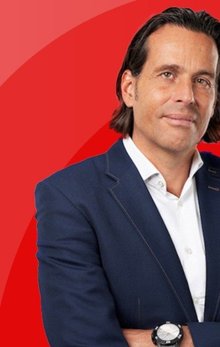
Lutz Schüler, CEO of Virgin Media O2, says the strategy is intended to influence every part of the business rather than operate as a standalone ESG initiative.
“Our Responsible Business Plan is more than a strategy – it’s how we do business,” he says.
“It’s built into every decision we make, how we treat our customers and employees, and the products and services we provide to people across the country.
“Whether it’s cutting carbon and working towards net zero, helping even more low-income households stay connected, or giving technology a second life – Virgin Media O2 is committed to being a trusted business and a force for good in people’s lives.”
The growing emphasis on supply chain accountability reflects a wider shift taking place across the telco industry.
Operators are increasingly being judged not only on the energy efficiency of their networks, but also on the lifecycle impact of the devices and infrastructure they procure.
For Virgin Media O2, that means combining refurbishment targets, recycling schemes and decarbonisation commitments into a single operational strategy.
As operators look to balance sustainability targets with ongoing network investment, circularity is becoming less about corporate responsibility messaging and more about long-term business resilience.
Company portals

Executives
Lutz Schüler
Chief Executive Officer