Top 10: 6G Innovators
Every generation of mobile network promises to change everything, and 6G is no exception.
Still years from commercial rollout, the technology is expected to blend ultra-fast connectivity with AI and near-instant response times, laying the groundwork for autonomous vehicles and smart cities that react in real time.
But getting to that point requires an army of network vendors and operators willing to invest billions in research long before a single consumer device ships.
In this Top 10, Telco Magazine ranks the leading organisations doing the most to shape what comes after 5G, from established telco giants to the operators putting theory into practice.
10. ZTE Corporation
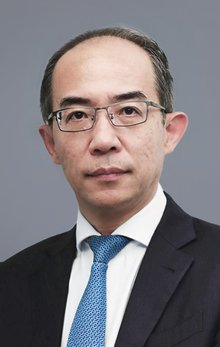
CEO: Xu Ziyang
Founded: 1985
Location: Shenzhen, China
ZTE has spent decades quietly building the infrastructure behind China's mobile networks, and is not slowing down for 6G.
The Shenzhen-based vendor has been showcasing AI-powered "token factories" and next-generation radio access research at recent industry events, positioning itself around the idea that future networks won't just move data faster, they'll process intelligence at the edge.
Its long-standing dominance in 5G fixed wireless access gives it a useful springboard into whatever comes next.
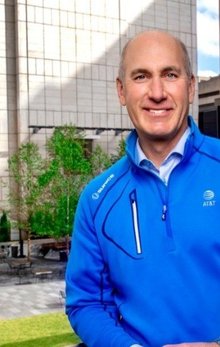
9. AT&T
CEO: John Stankey
Founded: 1876 (as The Bell Telephone Company)
Location: Dallas, Texas, US
As one of America's largest telco operators, AT&T carries serious weight in setting the pace for 6G in the US.
The company has been vocal about wanting standards that prioritise reliability and security over flashy speed claims, drawing on lessons learned from its 5G rollout.
With a new Plano campus underway and continued investment in fibre and spectrum, AT&T is positioning itself to be an early adopter once 6G networks are ready for prime time.
8. SK Telecom
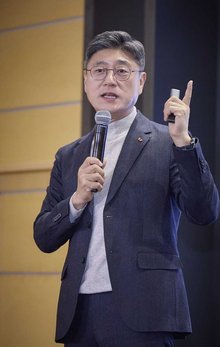
CEO: Jaihun Jung
Founded: 1984
Location: Seoul, South Korea
South Korea has form when it comes to being first with new mobile generations, and SK Telecom wants to repeat the trick with 6G.
Under CEO Jaihun Jung, appointed in Q4 2025, the operator has pledged trillion-won investment in AI-native infrastructure and hyperscale data centres, aiming to build what it calls Asia's largest AI hub.
Its ambitions stretch well beyond connectivity, tying network upgrades directly to sovereign AI development.
7. T-Mobile US
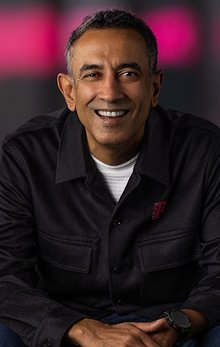
CEO: Srini Gopalan
Founded: 1994
Location: Bellevue, Washington, US

T-Mobile built its reputation on disrupting the US wireless market, and it's already talking up 6G as the next frontier for its self-styled Un-carrier approach.
CEO Srini Gopalan has flagged AI and next-generation networks as core to the company's strategy, with recent leadership changes signalling a push into enterprise and emerging growth areas.
The telco industry can expect T-Mobile to lean on its "best network" branding as 6G conversations gather pace.
6. NTT DOCOMO
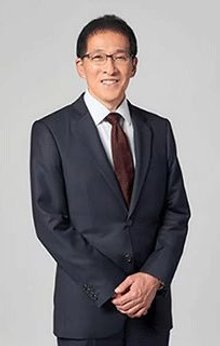
CEO: Katsushige Kojima
Founded: 1992
Location: Chiyoda, Tokyo, Japan

Japan's largest mobile operator has a habit of being early, having launched the country's first commercial 5G network back in 2020.
NTT DOCOMO might continue that tradition with 6G, having recently demonstrated AI applications running directly on virtualised radio access network hardware.
Its work with partners including Airbus on high-altitude platform stations for connectivity also hints at how future networks might extend coverage well beyond the ground.
5. Qualcomm
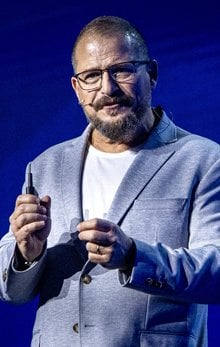
CEO: Cristiano Amon
Founded: 1985
Location: San Diego, California, US
Qualcomm may not build networks itself, but its chips power much of the world's mobile hardware, giving it huge influence over how 6G might actually get used.
CEO Cristiano Amon has spoken about smartphones eventually giving way to wearable AI devices, a shift that would rely heavily on next-generation connectivity.
Having driven Qualcomm's 5G strategy for years, Cristiano is now betting the company's future on where AI and communications collide.
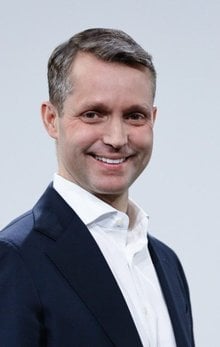
4. Ericsson
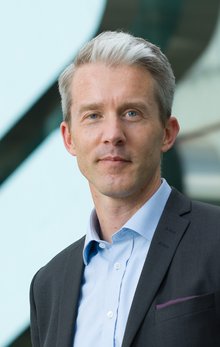
CEO: Per Narvinger (effective October 1, 2026)
Founded: 1876
Location: Stockholm, Sweden
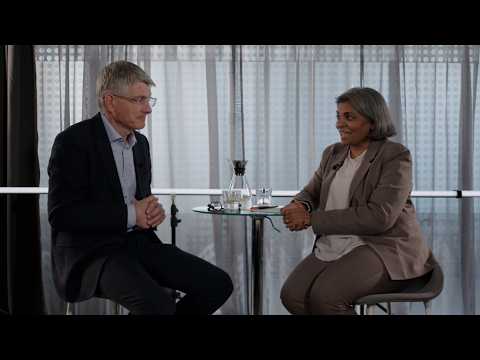
Ericsson has been present at many a major turning point in mobile network history, and 6G is no exception.
Outgoing CEO Börje Ekholm, who steps down later this year after almost a decade in charge, has overseen a strong recovery in the company's fortunes and a renewed focus on trusted, secure connectivity.
As one of the few Western vendors still standing at scale, Ericsson's radio and standards work carries real weight in shaping what 6G becomes.
3. Nokia
CEO: Justin Hotard
Founded: 1865
Location: Espoo, Finland

Nokia has reinvented itself more than once over its 160-year history, and under new CEO Justin Hotard, it's doing so again with an eye firmly on 6G.
Justin, who joined from Intel in 2025, has restructured the business around a Mobile Infrastructure segment tasked with pushing towards AI-native networks, and struck a partnership with NVIDIA covering AI-RAN and 6G research.
Nokia's position as one of the last major Western network equipment makers gives it an outsized role in setting standards that Western operators and governments are likely to trust, particularly given ongoing security concerns around rival vendors.
2. Huawei Technologies
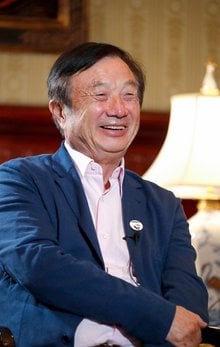
CEO: Ren Zhengfei (Founder & CEO)
Founded: 1987
Location: Shenzhen, China
Huawei is a formidable force in telecoms research and one of the biggest holders of 5G and emerging 6G patents.
Founder Ren Zhengfei has built an intensely research-driven culture, ploughing over a fifth of annual revenue back into R&D.
Huawei continues to lead in markets across Africa, the Middle East and Asia where Western restrictions don't apply, meaning its influence on how 6G develops, and who gets to use it, will likely remain significant.
1. Samsung Electronics
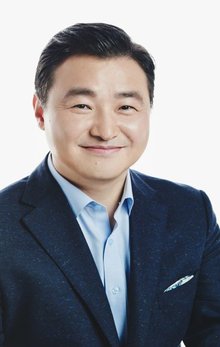
Co-CEOs: Tae Moon Roh & Young Hyun Jun
Founded: 1969
Location: Suwon, South Korea

Samsung takes this week's top spot due to a rare combination: it makes the chips, the handsets and the network infrastructure that 6G will eventually run on.
Co-CEOs Tae Moon Roh and Young Hyun Jun oversee a business spanning mobile devices, memory chips and telecoms equipment, giving Samsung an end-to-end view of the ecosystem that few rivals can match.
The company has poured resources into 6G research through its own labs and academic partnerships, and its record of being first to market with new smartphone features makes it a natural bellwether for when 6G-ready consumer devices might actually arrive.
Company portals






Executives
Cristiano Amon
CEO
Jaihun Jung
CEO and President
John Stankey
AT&T CEO
Justin Hotard
President and CEO
Katsushige Kojima
CEO
Per Narvinger
CEO
Ren Zhengfei
Founder and CEO
Srini Gopalan
CEO
Tae-Moon Roh
Head of Device eXperience (DX) Division
Xu Ziyang
CEO
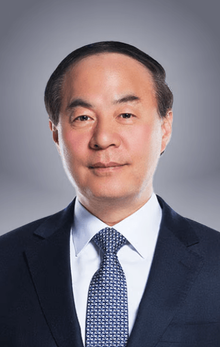
Young Hyun Jun
Vice Chairman, CEO and Head of Device Solutions (DS) Division