T-Mobile Bets on AI to Handle Major Event Connectivity

T-Mobile is aiming to stay ahead of network peaks this summer with a new AI-powered capability, Dynamic CX.
The system is designed to anticipate and respond to surges in demand across large-scale live events, as T-Mobile prepares for a season packed with football, concerts and mass gatherings across the US.
Dynamic CX is built to help its network adjust automatically as usage patterns shift in near real time.
Designed for high-density environments, it combines T-Mobile’s Self-Organising Network (SON) technology with AI-driven forecasting and automation to manage congestion before and during major events.
Instead of waiting for networks to become overloaded, Dynamic CX analyses publicly available event information, schedules and online activity signals to identify where and when large crowds are likely to gather.
It then helps prepare network resources in advance and continues to adjust them dynamically as conditions evolve around venues, transport hubs and surrounding infrastructure.
As crowds move through stadiums, fan zones and city centres, the system continuously monitors demand and reallocates capacity to help maintain performance during periods of intense usage.
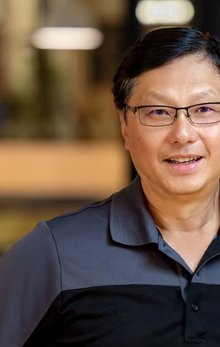
“T-Mobile has decades of experience supporting America’s connectivity during some of the world’s largest events, and we’re constantly evolving how the network responds to moments of high demand,” says John Saw, Chief Technology Officer at T-Mobile.

“With Dynamic CX, we’re using AI to help the network prepare ahead of large-scale events and adapt in real time as crowds move and demand changes – helping deliver a stronger, more resilient experience for customers.”
Preparing for a summer of demand
The launch comes as T-Mobile readies its network for one of the most significant event seasons in recent years, with a global football tournament expected to bring millions of visitors to cities across the US.
From stadiums and fan zones to airports and transport corridors, the operator has expanded network capacity and operational support across all host markets.
It is also promoting flexible eSIM-based connectivity options for international visitors using compatible devices.
Alongside infrastructure upgrades, preparations include coordination with public safety agencies and local partners, support for priority communications services such as T-Priority, and the deployment of mobile network assets across multiple locations.
Cybersecurity monitoring has also been increased across event-related systems.
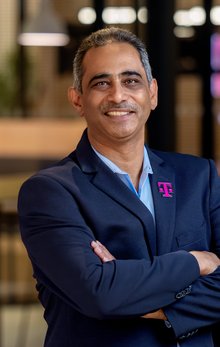
Ankur Kapoor, Chief Network Officer at T-Mobile, says: “This summer’s event season will bring millions of people together across America for some of the year’s biggest cultural and sporting moments.
“From network readiness and public safety coordination to new technologies like Dynamic CX, our teams are focused on helping people stay connected when it matters most.”
AI’s growing role in network operations
Large events have traditionally required extensive manual planning and real-time engineering intervention to prevent congestion.
AI-based systems are more often being used to automate parts of that process, identifying demand patterns earlier and adjusting network resources more dynamically as conditions evolve.
For T-Mobile, this capability is expected to be particularly important during a summer that will also include concerts, festivals and heavy travel volumes alongside the football tournament.
Host cities include Atlanta, Boston, Dallas, Houston, Kansas City, Los Angeles, Miami, Philadelphia, Seattle, the San Francisco Bay Area and the New York/New Jersey region.
To support this, T-Mobile is combining AI-led optimisation with expanded physical capacity and operational readiness across its footprint, aiming to maintain consistent service quality even as demand surges across multiple locations at once.
Company portals

Executives
Ankur Kapoor
Chief Network Officer
John Saw
President of Technology, Chief Technology Officer