
Taking Flight: BT to Connect easyJet Devices Across Europe
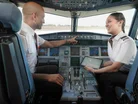
BT has teamed up with easyJet, the UK’s largest airline, to deliver mobile connectivity for thousands of devices used by pilots, cabin crew and ground staff.
The deal supplies 23,000 mobile connections using EE’s mobile network, supporting operations in 35 countries and over 150 airports, from Gatwick to Gran Canaria.
Taking off in 2026
The partnership enables the airline to keep flight crews, aircraft and airport operations connected through a single, integrated mobile network. This rollout aims to strengthen coordination across Europe’s busiest air routes and support seamless communication between teams.
Chris Sims, COO at BT Business, says: “This partnership with easyJet is about delivering the smart, seamless connectivity which is crucial when operating at scale.
“By equipping thousands of devices with eSIMs on EE’s award-winning network, we’re enabling easyJet to manage connections remotely, switch networks across borders and reduce the complexity of traditional SIMs.
“It’s a future-ready solution that enhances security, boosts efficiency and keeps teams connected when they need it most.”
Integrated mobile support for crew and operations
easyJet staff will use the mobile lines across a wide range of devices, including iPads, smartphones, aircraft phones, laptops and other connected hardware. These enable crew and ground teams to manage tasks in real time, whether in the air or on the ground.
Pilots and cabin crew will access flight information, operational systems and training via connected tablets. This streamlines pre-flight and in-flight coordination and ensures staff can remain up to date with the latest procedures and flight details.
The airline also plans to use EE’s network to power smart messaging services that keep passengers informed of any changes to flights. This supports a smoother experience for travellers, while giving staff the tools to manage disruption or schedule changes efficiently.
By equipping aircraft phones and smartphones with mobile service, easyJet enhances crew coordination both in-flight and at airports, creating a unified channel for communication between teams.

eSIM rollout improves efficiency and flexibility
All devices provided under the deal include eSIMs – embedded SIM technology that enables devices to be configured and activated remotely. These digital SIMs simplify the process of managing international mobile service by removing the need for physical SIM cards.
eSIMs allow remote provisioning, giving easyJet the ability to update or switch network access without needing to swap hardware. This is particularly useful for operations across multiple countries, where network access must adapt to different mobile providers depending on location.
Using eSIMs also supports easyJet’s efforts to reduce waste, lower logistics costs and improve efficiency across its device estate.
The move reflects a broader trend in the telecoms and aviation sectors towards more sustainable and scalable digital infrastructure.
With BT delivering the mobile connectivity and EE providing the network coverage, the setup supports easyJet’s need for real-time, cross-border communication.
The collaboration shows how telecoms infrastructure is now central to aviation operations, linking aircraft, crew and airports through a fully connected ecosystem.


Executives
Dr Chris Sims
Chief Commercial Officer, Business