How AT&T Uses its Network to Track & Tackle Winter Weather

Telecommunications and weather – the two don’t automatically go hand in hand but, in fact, telco networks are able to provide some of the infrastructure which supports weather prediction operations.
These networks are not only critical during disasters but play a growing role in tracking and responding to weather events.
AT&T has outlined how it prepares for winter storms using its internal meteorology unit and disaster recovery programme.
The company combines advanced weather forecasting with telecoms infrastructure planning to protect its network and keep people connected.
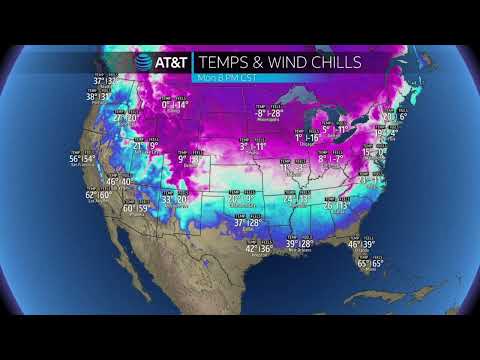
AT&T’s in-house meteorology team forms the core of its weather strategy. Known as the AT&T Weather Operations Center (AWOC), the group of meteorologists use modelling tools to deliver targeted weather intelligence across the organisation. Such information helps technical teams plan responses before and during severe conditions.
Meteorology meets telecoms
Meteorology meets telecoms
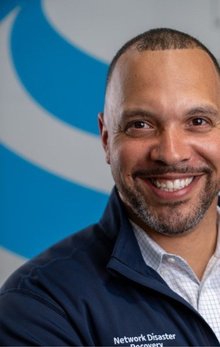
Writing in a recent blog, John Sisak, Principal Meteorologist - AT&T Weather Operations Center and Shannon Browning Associate Director - Network Disaster Recovery, AT&T wrote: "At the core of our network readiness is our AT&T Weather Operations Center (AWOC).
“This team of meteorologists uses advanced weather modeling tools to provide targeted weather intelligence for our internal AT&T teams to help us plan. This mitigates the risk to our network, assets and employees on an everyday basis and during major winter weather events.
"Just like you might check the weather for your travel plans or morning commute, our teams rely on AWOC’s guidance to determine how to tackle any potential impacts to our network, while prioritising safety."
The AWOC functions much like a national forecasting agency but with a private remit focused entirely on network resilience. Guidance from the meteorologists helps AT&T teams assess risk and adapt operations to ensure continuity of service.
By embedding the meteorology capability within its telecoms operations, AT&T positions itself to react faster and plan better during climate-driven events. It illustrates how telcos are integrating weather science with infrastructure strategy.
Winter-ready network response
AT&T’s Network Disaster Recovery (NDR) programme operates alongside its weather operations to support rapid response during outages.
With more than US$1bn invested since 1992, it holds the largest disaster recovery fleet in the telecoms sector. It includes more than 750 specialised units ready for deployment.
The company adapts the fleet for cold weather with equipment like bulldozers, snowcats and tracked utility vehicles. Satellite dishes are upgraded with heating elements to prevent ice build up and mobile generators are prepped to handle freezing temperatures.
When predictions suggest a winter storm is on the horizon, teams can:
- Boost network capacity to accommodate increased call volume.
- Test backup batteries at cell sites.
- Stage portable generators and maintain existing fixed generators.
- Position emergency response and network recovery equipment in strategic locations for quick deployment following a storm.
In addition to physical gear, the telco runs power tests, fuels backup systems with anti-gel additives and allows engines to warm before activation.
These steps aim to reduce service disruption in low temperatures and harsh conditions.
Dedicated public safety network
Alongside its commercial operations, AT&T runs FirstNet – a public safety network purpose-built to support first responders and emergency services.
Unlike commercial networks, FirstNet operates as a separate, full-scale programme with its own infrastructure and disaster response resources.
The platform is supported by the FirstNet Response Operations Group (ROG), a team led by former first responders. The group manages more than 190 dedicated assets.
These are designed to deliver backup connectivity during emergencies, ensuring that public safety personnel can maintain reliable communications even when commercial networks are impacted by severe weather or other disruptions.
By keeping FirstNet independent from its standard services and providing it with specialised support, AT&T offers a consistent and resilient communications channel tailored to the needs of emergency responders in high-pressure situations.
FirstNet demonstrates how telecommunications companies can extend beyond commercial services to fulfil critical public safety roles.
Maintaining dedicated emergency response capabilities, AT&T positions the telco sector as an indispensable partner in national resilience – transforming providers from service companies into stewards of critical infrastructure during emergencies.
Company portals

Executives
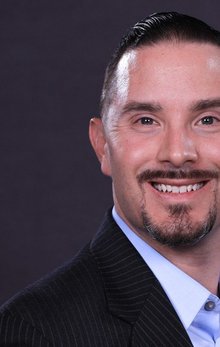
John Sisak
Lead Meteorologist
Shannon Browning
Associate Director